Resources

  • What Is Obstructive Sleep Apnea (OSA)?

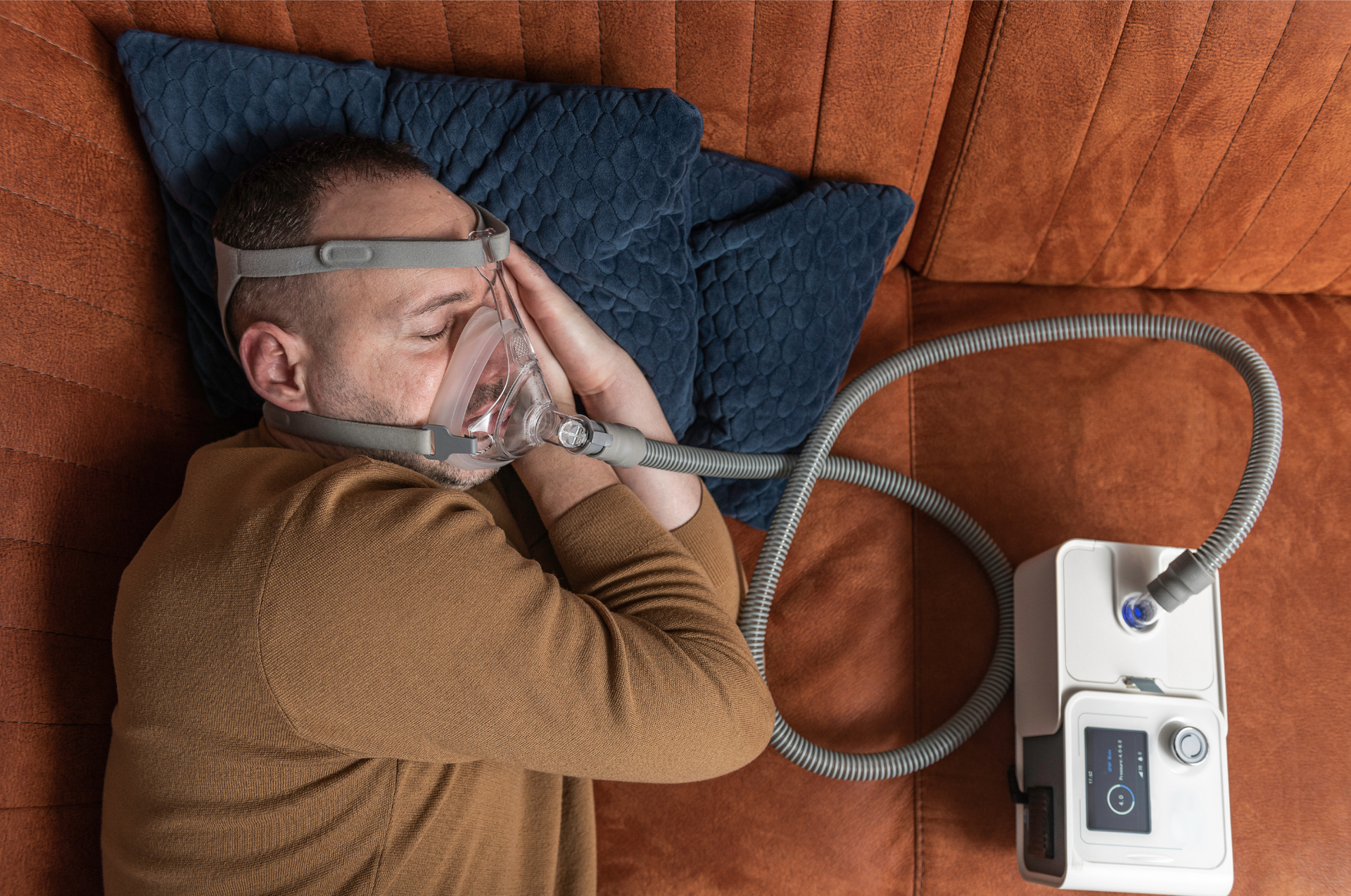
    Obstructive Sleep Apnea (OSA) is a common sleep disorder in which breathing repeatedly stops and starts during sleep because the airway becomes blocked or collapses. These breathing disruptions can occur dozens—or even hundreds—of times per night, often without the person being aware of them. As a result, sleep is fragmented and oxygen levels may drop, leading to significant health and quality-of-life consequences if left untreated. 

    Learn more: sleepeducation.org; American Thoracic Society: What Is OSA in Adults?

  • How Common Is OSA?

    OSA is more common than many people realize: An estimated 30 million adults in the United States have obstructive sleep apnea, with up to 80% undiagnosed. Globally, nearly 1 billion adults are affected by OSA. OSA is more common in men, but risk increases for women after menopause and with advancing age. 

    Explore OSA statistics: Sleep Apnea Statistics – Sleep Advisor; National Indicator Report on Obstructive Sleep Apnea

  • Common Symptoms and Warning Signs

    Symptoms of OSA can occur both during sleep and while awake. Common signs include:

    • Loud or chronic snoring
    • Pauses in breathing, gasping, or choking during sleep (often reported by a bed partner)
    • Excessive daytime sleepiness or fatigue
    • Morning headaches
    • Difficulty concentrating or memory problems
    • Mood changes, such as irritability or depression
    • Not everyone with OSA snores, and not everyone who snores has OSA—which is why proper evaluation is important.

    Learn more about symptoms: thoracic.org; sleepeducation.org

  • Taking the Next Step

    If you or a loved one has symptoms of sleep apnea, schedule a consultation with a sleep provider today! Early diagnosis and treatment can improve sleep, health outcomes, and overall quality of life.

By Mary Ellen Smith January 21, 2026
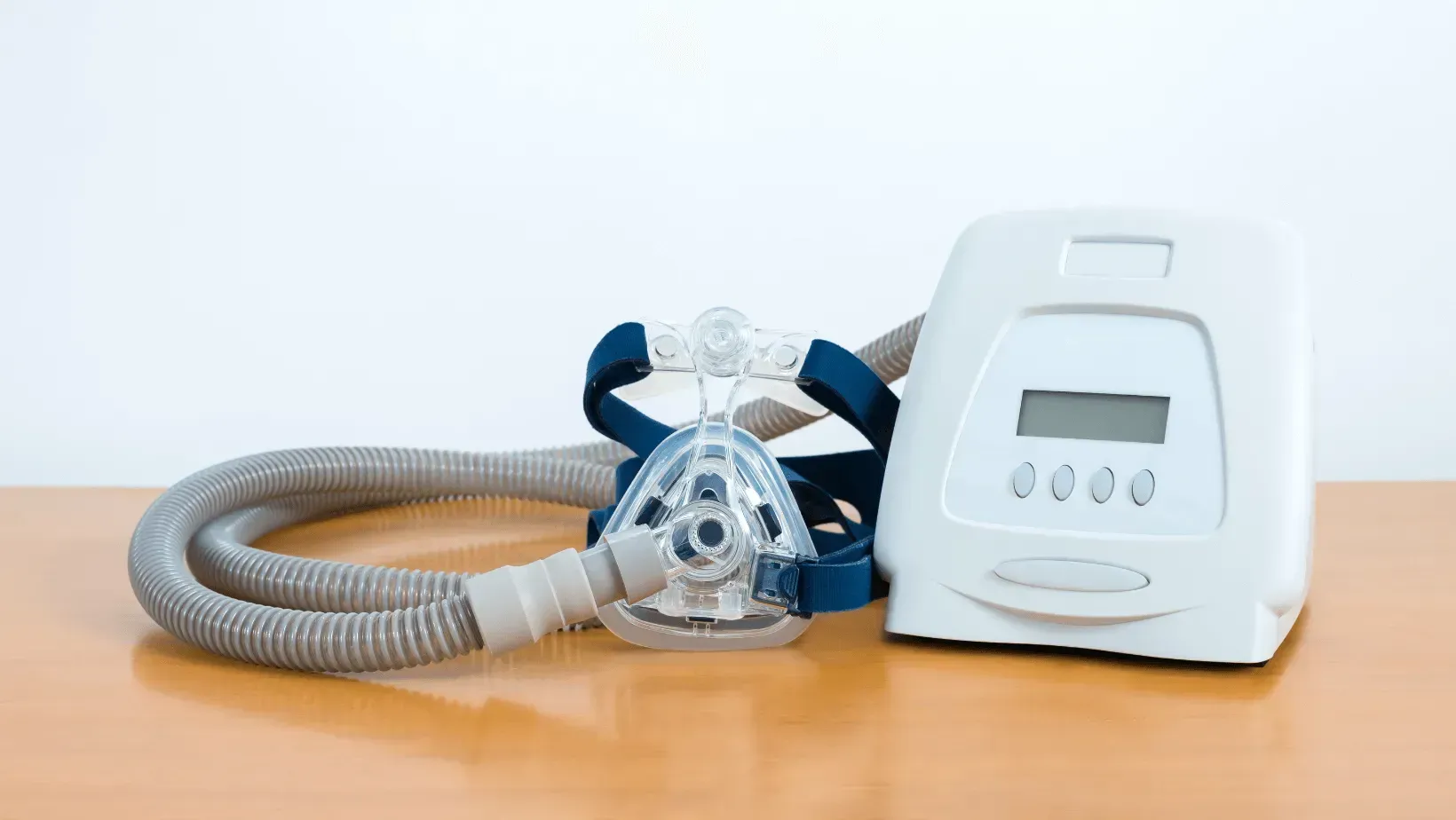
Treating obstructive sleep apnea is a journey, not a one-time event. While getting diagnosed is an important first step, long-term success depends on staying consistent with treatment and having the right support along the way. With the right approach, most patients find that treatment becomes easier—and the benefits become clear. One of the most common treatments for sleep apnea is positive airway pressure (PAP) therapy . Like any new routine, it can take time to adjust. Early challenges such as mask discomfort, air leaks, or dryness are common—but they are also very manageable. Addressing these issues early is key to building long-term success. Consistency matters. Using your therapy every night, for the entire time you sleep, allows your body to fully benefit from treatment. Regular use improves sleep quality, increases energy, sharpens focus, and reduces long-term health risks associated with untreated sleep apnea. Even partial or inconsistent use can limit these benefits. Education and support play a major role in compliance. Understanding why treatment is important and how your equipment works can make a big difference. Ongoing follow-up with sleep-trained professionals helps identify problems early and keeps therapy optimized as your needs change. Here are a few tips to support long-term success with sleep apnea treatment: Use your therapy every night, even during naps or travel Work with your care team to find the most comfortable mask and settings Keep equipment clean and replace supplies as recommended Communicate early if something doesn’t feel right—small adjustments can make a big difference Track your progress and celebrate improvements in energy, mood, and sleep quality Long-term success with sleep apnea treatment isn’t about perfection—it’s about partnership. With consistent use, education, and the right support system, most patients experience meaningful improvements in both sleep and overall health.  If you’re struggling with treatment or have questions, help is available. Ongoing guidance and support can turn sleep apnea therapy into a sustainable part of a healthier life.
By Website Editor January 21, 2026
Sleep apnea is a common sleep disorder that causes breathing to repeatedly stop and start during sleep. These pauses in breathing can happen dozens—or even hundreds—of times per night, often without the person realizing it. As a result, the body is repeatedly deprived of oxygen and restful sleep. The most common form is Obstructive Sleep Apnea (OSA). OSA occurs when the muscles in the throat relax during sleep, causing the airway to become partially or completely blocked. Less commonly, Central Sleep Apnea occurs when the brain does not send consistent signals to the muscles that control breathing. Because these breathing interruptions disrupt normal sleep cycles, people with sleep apnea often wake up feeling unrefreshed—even after a full night in bed. Common symptoms include loud snoring, gasping or choking during sleep, morning headaches, excessive daytime sleepiness, difficulty concentrating, and irritability. Left untreated, sleep apnea can have serious health consequences. It is linked to high blood pressure, heart disease, stroke, diabetes, and increased risk of accidents due to fatigue. The good news is that sleep apnea is highly treatable, and effective treatment can significantly improve both sleep quality and overall health. Diagnosis often begins with a sleep evaluation and may include a home sleep study, which allows patients to be tested comfortably in their own bed. Treatment options vary based on the individual and may include positive airway pressure (PAP) therapy, oral appliances, lifestyle changes, or advanced therapies such as Inspire® for appropriate candidates. If you’ve been diagnosed with sleep apnea—or think you might have it—getting expert care is an important first step. With proper diagnosis, treatment, and ongoing support, most people experience better sleep, more energy, and improved long-term health.  How Is OSA Diagnosed? OSA is diagnosed through a sleep study, which may be performed in a sleep lab (polysomnography) or at home using a validated home sleep apnea test, depending on medical history and symptoms. These tests measure breathing, oxygen levels, airflow, and sleep patterns
By Website Editor January 21, 2026
Obstructive sleep apnea (OSA) is more than just loud snoring or poor sleep. When left untreated, OSA can have serious effects on both short-term well-being and long-term health. Because breathing repeatedly stops during sleep, the body is exposed to ongoing drops in oxygen levels and frequent sleep disruption—often without the person realizing it. One of the most significant risks of untreated OSA is its impact on the heart and cardiovascular system . OSA is strongly linked to high blood pressure, heart disease, heart attacks, stroke, and abnormal heart rhythms. Each pause in breathing places stress on the heart and blood vessels, increasing the risk of long-term complications. Untreated OSA also affects daytime functioning and mental health . Poor-quality sleep can lead to excessive daytime sleepiness, difficulty concentrating, memory problems, irritability, anxiety, and depression. Fatigue caused by sleep apnea increases the risk of motor vehicle and workplace accidents, putting both the individual and others at risk. Over time, sleep apnea can contribute to metabolic and chronic health conditions , including type 2 diabetes and weight gain. Disrupted sleep affects how the body regulates blood sugar, appetite, and hormones, making it harder to maintain overall health. Sleep apnea can also place strain on relationships and quality of life . Loud snoring, restless sleep, and chronic fatigue often affect bed partners and family members. Many people with untreated OSA report decreased energy, motivation, and enjoyment of daily activities. The good news is that treating sleep apnea can significantly reduce these risks. Effective treatment improves sleep quality, supports heart health, boosts energy and focus, and enhances overall well-being. Early diagnosis and consistent treatment make a meaningful difference—not just for sleep, but for long-term health.  If you have been diagnosed with sleep apnea—or suspect you may have it—seeking expert care is an important step toward protecting your health and improving your quality of life.
January 21, 2026
Why Treating OSA Matters: Untreated OSA is associated with serious health risks, including: High blood pressure, heart disease, and stroke Type 2 diabetes Increased risk of motor vehicle and workplace accidents due to sleepiness Poor concentration, reduced productivity, and lower quality of life Long‑term studies show that effective treatment—particularly with CPAP therapy—can significantly reduce health risks and improve survival. Learn more about health risks: aasm.org ; ResMed: Sleep Apnea Key Facts and Figures (PDF) Treatment and Ongoing Management: OSA is a chronic but treatable condition. Treatment is individualized based on severity, anatomy, lifestyle factors, and patient preference. Common management strategies include: Positive Airway Pressure (PAP) therapy, such as CPAP, which keeps the airway open during sleep Oral appliance therapy fitted by trained dental professionals Lifestyle changes, including weight management, exercise, limiting alcohol, and sleeping on your side Surgical or implantable therapies for select patients who cannot tolerate other options Consistent use of prescribed therapy and regular follow‑up with a sleep clinician are essential for long‑term success.

READY TO TAKE THE NEXT STEP?

CONTACT US