WHAT IS SLEEP APNEA?
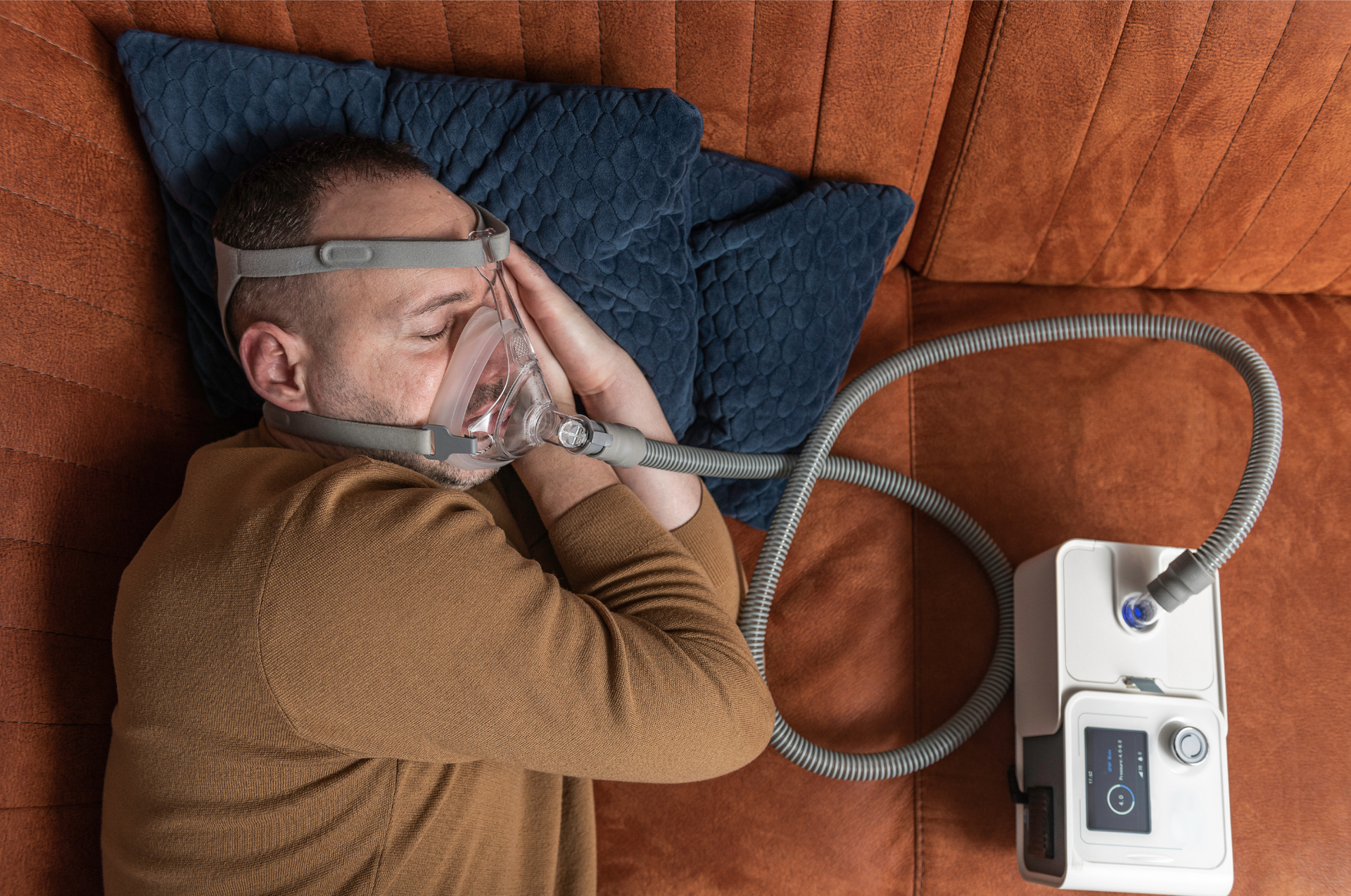
Sleep apnea is a common sleep disorder that causes breathing to repeatedly stop and start during sleep. These pauses in breathing can happen dozens—or even hundreds—of times per night, often without the person realizing it. As a result, the body is repeatedly deprived of oxygen and restful sleep.
The most common form is Obstructive Sleep Apnea (OSA). OSA occurs when the muscles in the throat relax during sleep, causing the airway to become partially or completely blocked. Less commonly, Central Sleep Apnea occurs when the brain does not send consistent signals to the muscles that control breathing.
Because these breathing interruptions disrupt normal sleep cycles, people with sleep apnea often wake up feeling unrefreshed—even after a full night in bed. Common symptoms include loud snoring, gasping or choking during sleep, morning headaches, excessive daytime sleepiness, difficulty concentrating, and irritability.
Left untreated, sleep apnea can have serious health consequences. It is linked to high blood pressure, heart disease, stroke, diabetes, and increased risk of accidents due to fatigue. The good news is that sleep apnea is highly treatable, and effective treatment can significantly improve both sleep quality and overall health.
Diagnosis often begins with a sleep evaluation and may include a home sleep study, which allows patients to be tested comfortably in their own bed. Treatment options vary based on the individual and may include positive airway pressure (PAP) therapy, oral appliances, lifestyle changes, or advanced therapies such as Inspire® for appropriate candidates.
If you’ve been diagnosed with sleep apnea—or think you might have it—getting expert care is an important first step. With proper diagnosis, treatment, and ongoing support, most people experience better sleep, more energy, and improved long-term health.
How Is OSA Diagnosed?
- OSA is diagnosed through a sleep study, which may be performed in a sleep lab (polysomnography) or at home using a validated home sleep apnea test, depending on medical history and symptoms. These tests measure breathing, oxygen levels, airflow, and sleep patterns