COMPLIANCE AND LONG-TERM SUCCESS TIPS
Treating obstructive sleep apnea is a journey, not a one-time event. While getting diagnosed is an important first step, long-term success depends on staying consistent with treatment and having the right support along the way. With the right approach, most patients find that treatment becomes easier—and the benefits become clear.
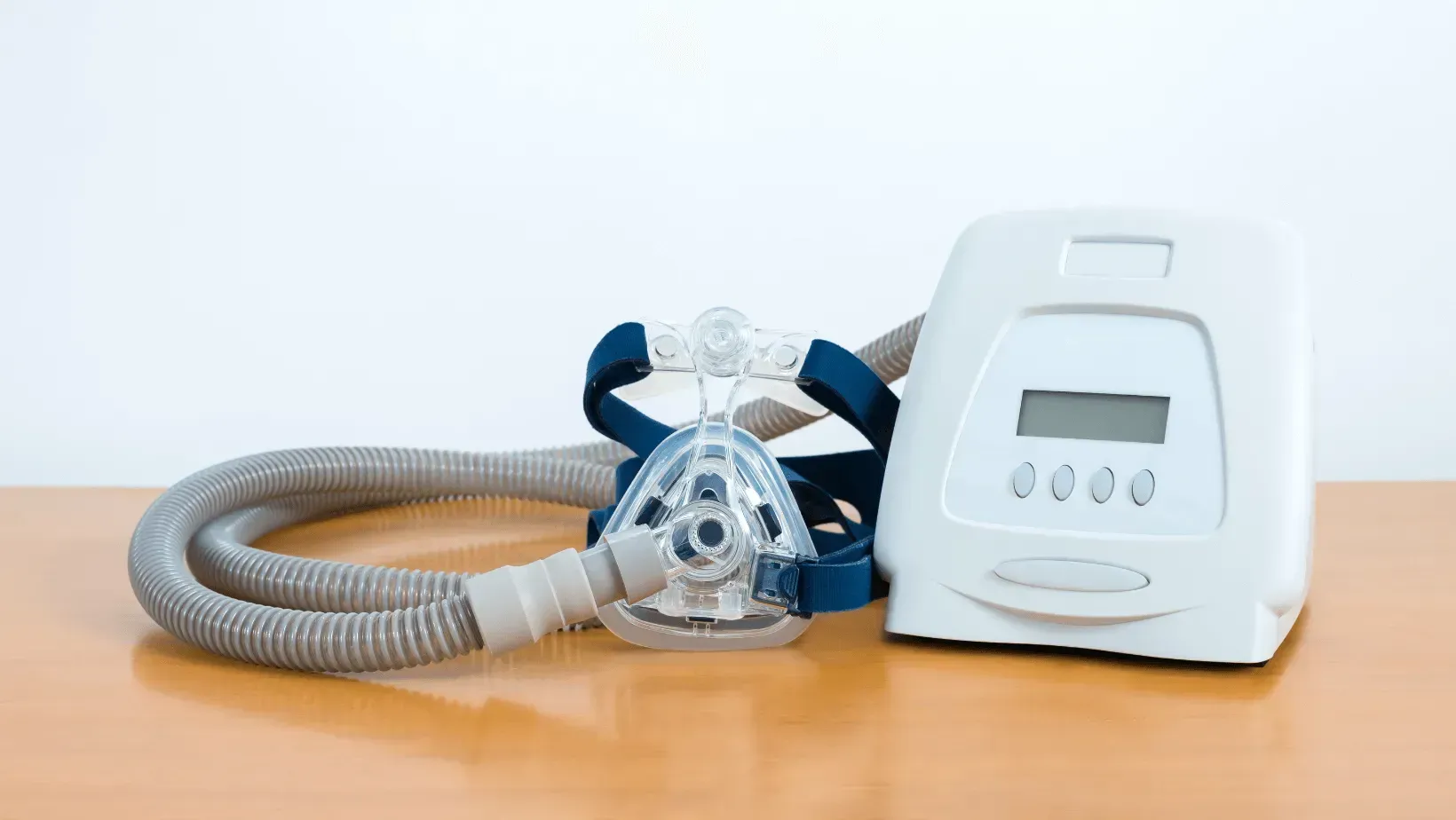
One of the most common treatments for sleep apnea is positive airway pressure (PAP) therapy. Like any new routine, it can take time to adjust. Early challenges such as mask discomfort, air leaks, or dryness are common—but they are also very manageable. Addressing these issues early is key to building long-term success.
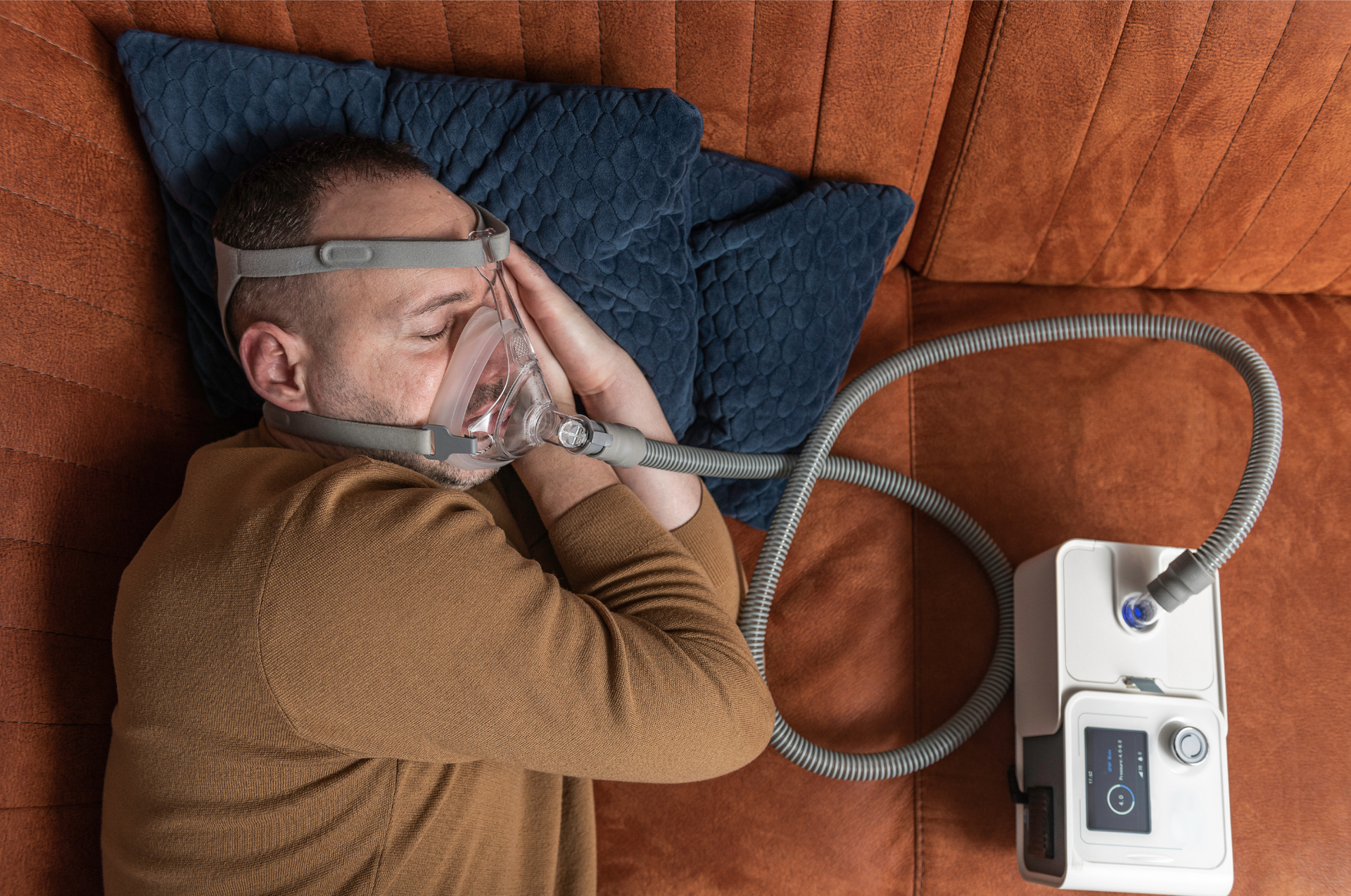
Consistency matters. Using your therapy every night, for the entire time you sleep, allows your body to fully benefit from treatment. Regular use improves sleep quality, increases energy, sharpens focus, and reduces long-term health risks associated with untreated sleep apnea. Even partial or inconsistent use can limit these benefits.
Education and support play a major role in compliance. Understanding why treatment is important and how your equipment works can make a big difference. Ongoing follow-up with sleep-trained professionals helps identify problems early and keeps therapy optimized as your needs change.
Here are a few tips to support long-term success with sleep apnea treatment:
- Use your therapy every night, even during naps or travel
- Work with your care team to find the most comfortable mask and settings
- Keep equipment clean and replace supplies as recommended
- Communicate early if something doesn’t feel right—small adjustments can make a big difference
- Track your progress and celebrate improvements in energy, mood, and sleep quality
Long-term success with sleep apnea treatment isn’t about perfection—it’s about partnership. With consistent use, education, and the right support system, most patients experience meaningful improvements in both sleep and overall health.
If you’re struggling with treatment or have questions, help is available. Ongoing guidance and support can turn sleep apnea therapy into a sustainable part of a healthier life.